
South Africa is taking decisive steps to address growing security challenges, both physical and digital, as crime and cyberattacks escalate nationwide. Recent reports reveal that the country’s private security industry has become one of the largest in the world, employing over 600,000 personnel across 16,500 registered companies, surpassing the combined size of the police and defence forces. This surge is driven by high crime rates, economic inequality, and the urgent need for advanced protection services.
The industry is rapidly evolving, with increased adoption of technology-driven solutions such as vehicle tracking, fleet management, and cybersecurity services. However, challenges remain, including the rise of unregistered security operators, violent attacks on guards, and regulatory gaps around firearms and foreign ownership.
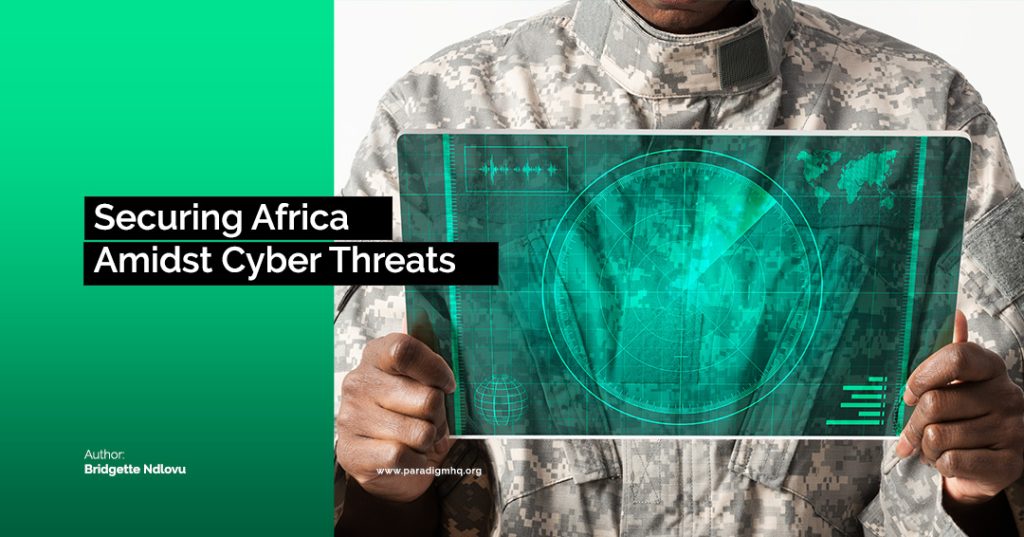
At the same time, South Africa faces a cybersecurity crisis. Government agencies and businesses have reported a sharp increase in cyberattacks, including ransomware, data breaches, and banking fraud. In 2024 alone, cybercriminals drained ZAR 1.8 billion from victims, and attacks on critical infrastructure—such as health systems and pension funds—continue to grow. Experts warn that state-sponsored espionage and hacktivist campaigns are adding to the threat, making cybersecurity a top national priority.
In response, the government has launched the National Security Strategy (2024–2029), placing cybersecurity at the centre of its agenda. Key measures include strengthening cyber forensic capabilities, improving protective security, and building resilience against digital intrusions.
As a union representing workers in security and related sectors, NUGRSCWU supports these efforts and calls for stronger collaboration between government, private security companies, and labour organisations. Protecting workers and communities requires not only advanced technology but also fair labour practices and proper training for those on the frontlines of physical and digital security.